
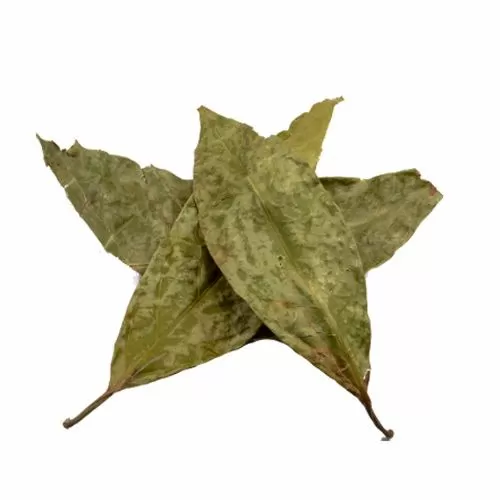


Diplopterys cabrerana (chaliponga) leaves 50g
$60.00


Related products
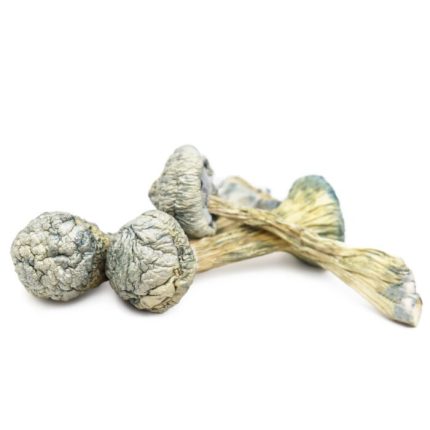
Amazonian Magic Mushrooms
Amazonian Magic Mushrooms (Psilocybe Cubensis Amazonian) is an ancient strain that traces back to the Amazon forest. It is unknown which mycologist originally collected this strain but this popular strain has been domesticated for over 50 years. The Amazonian shrooms are known to be thick and fleshy. It is not the easiest strain to grow commercially because of its slow fruiting.
Our staff report that Amazonian shrooms provide a good balance of colourful visuals and spiritual experience. It’s recommended for an intense visual trip with close friends or also recommended for a party with a smaller dosage. Some have reported this strain energized them to get up and dance!
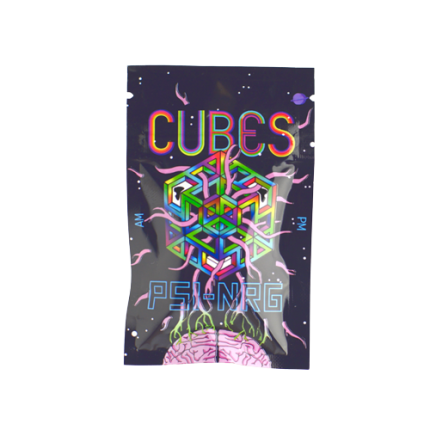
Cubes – Scooby Snacks Microdose Capsules (5x300mg)
Formulated with the guidance of clinical herbalists to insure synergy and effectiveness; Cube capsules provide a smooth, stimulating sense of vitality, promoting a feeing of euphoria. Take one capsule for a clean boost of energy and the uplift of your mood. On two capsules you’ll likely start feeling excited, social, euphoric and inspired. Three capsules or more provide the beginnings of a visual, psychedelic experience. Of course, tolerances and effects will vary, and your experience will be contingent on many factors. Best to start with one and go from there

Golden Teachers Magic Mushrooms
Golden Teachers Magic Mushrooms are of the most popular and common strains of magic mushrooms. It’s a favourite amongst psychonauts around the world for its profound psychedelic journey. They are best known for their shamanistic properties, or spiritual effects rather than solely “tripping”, and moderate levels of psilocybin and psilocin. The shining golden caps and wise teachings give this mushroom its rightful name.
Consuming Golden Teacher shrooms will give a feeling of enlightenment, they will help you connect with nature. Amazing ability to heal the mind and spirit. These psychedelic magic mushrooms are for both beginners and veterans.

Live Resin – Durban Poison (Sativa) 1g
Durban Poison, a pure sativa strain, hails from the South African port city of Durban. It has earned a global reputation for its sweet aroma and invigorating, uplifting effects. This strain is ideal for enhancing productivity during a hectic day, for outdoor exploration, or to ignite a burst of creativity. Both cultivators and concentrate aficionados appreciate Durban Poison for its oversized resin glands, making it an excellent choice for concentrate extraction. The buds of this strain are round, hefty, and cover nearly all parts of the plant with a dense layer of trichomes.

Live Resin – Orange Creamsicle (Indica)
Inheriting the finest qualities from its parent strains, Orange Crush and Juicy Fruit, Orange Creamsicle stands tall with its heavy colas and potent flavor, enticing you to return for more. As the name implies, this hybrid strain has a robust citrus flavor and is employed to alleviate nausea and anxiety. Cultivators will appreciate this bountiful producer, which blooms in nine weeks, showcasing stunning orange-white hues and a dense layer of resin.

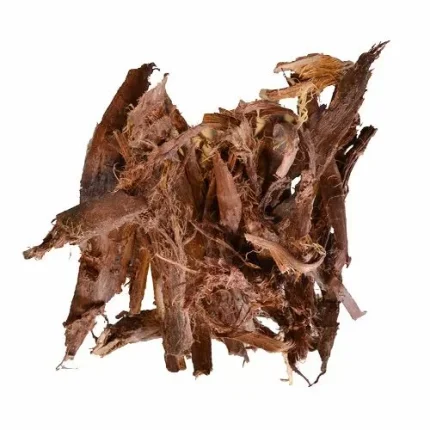
Mimosa hostilis – Inner root bark | Jurema Preta
Mimosa Hostilis Root Bark (MHRB) – Jurema Preta | Mimosa Tenuiflora
Sourced from the revered Mimosa hostilis tree—commonly known in Brazil as Jurema Preta, Black Jurema, or Vinho de Jurema—this inner root bark is treasured for its historical and cultural significance. Renowned among indigenous shamans, it is valued for its deep-rooted entheogenic legacy.
Sacred Origins & Medicinal Legacy
Native to the arid regions of northeastern Brazil, Mimosa hostilis (also known by its updated scientific name Mimosa tenuiflora) has been used for centuries in traditional medicine. The inner root bark—the most alkaloid-rich and potent part of the plant—is carefully harvested and prepared for a wide range of ethnobotanical and research uses.
Trusted by Tradition, Valued Worldwide
In the Western world, Mimosa hostilis root bark has gained popularity as a natural alternative to other revered plants such as Psychotria viridis and Chaliponga, especially in botanical and spiritual exploration communities. Its rich alkaloid profile and sustainable sourcing make it a respected botanical specimen around the globe.
Botanical Equivalence & Naming
While Mimosa hostilis remains a popular term, it is taxonomically identical to Mimosa tenuiflora—both names refer to the same plant species. In some regions, the bark is also known as Tepezcohuite, especially in Mexico, where it’s used in skin care and natural medicine for its soothing properties.
Our Commitment to Freshness & Quality
We import our Jurema Preta root bark directly from Brazil, ensuring it is sustainably sourced and harvested at peak potency. Fresh shipments arrive monthly, so you’re always receiving superior-quality root bark with maximum freshness and integrity.
Botanical Profile:
Family: Leguminosae / Mimosaceae
Genus: Mimosa
Species: hostilis, tenuiflora, verrucosa
Common Names: Jurema Preta, Jurema Branca, Caatinga Mimosa, Tepezcohuite, Calumbi, Carbonal, Cabrera, White Jurema, Black Jurema
Phytochemical Composition:
The inner root bark contains a wide spectrum of naturally occurring compounds, including:
Tannins, saponins, tryptamines, alkaloids, lipids, phytoindoles, xylose, phytosterols, glucosides, rhamnose, arabinose, methoxychalcones, lupeol, and kukulkanins.