
Amazonian Magic Mushrooms
Price range: $45.00 through $225.00
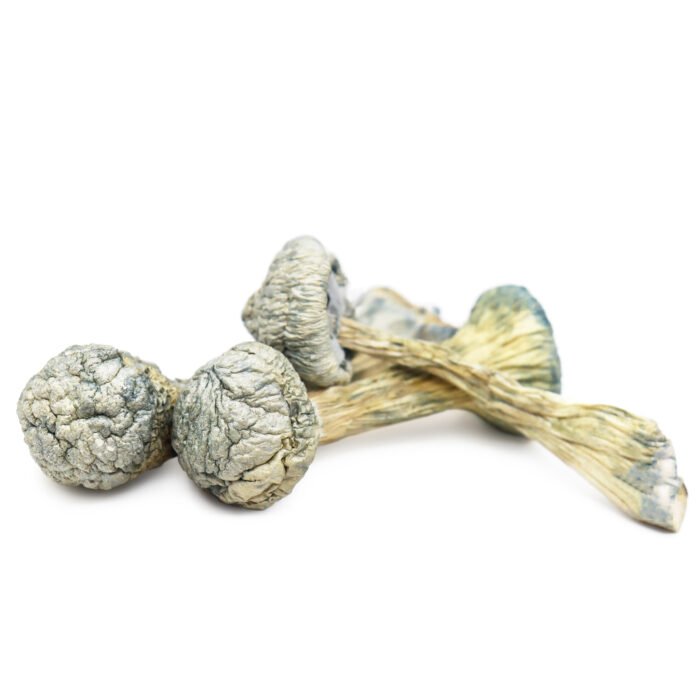
Amazonian Magic Mushrooms (Psilocybe Cubensis Amazonian) is an ancient strain that traces back to the Amazon forest. It is unknown which mycologist originally collected this strain but this popular strain has been domesticated for over 50 years. The Amazonian shrooms are known to be thick and fleshy. It is not the easiest strain to grow commercially because of its slow fruiting.
Our staff report that Amazonian shrooms provide a good balance of colourful visuals and spiritual experience. It’s recommended for an intense visual trip with close friends or also recommended for a party with a smaller dosage. Some have reported this strain energized them to get up and dance!


Related products
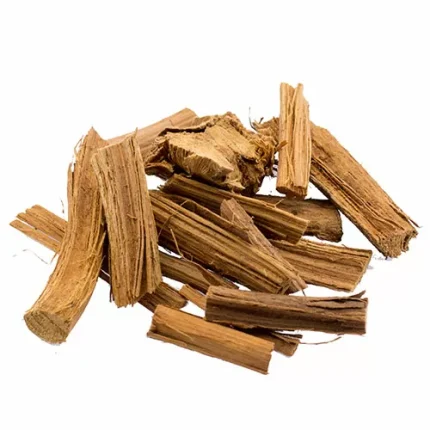
Banisteriopsis caapi – Red, rojo 100g
Banisteriopsis Caapi Red Vine Powder – “The Vine of Souls”
Banisteriopsis caapi, often revered as the “Vine of Souls,” is a sacred plant native to the Amazon rainforest. This legendary vine is the primary ingredient in the ancient ceremonial brew known as Ayahuasca (also called Yagé or Yajé) and is also widely utilized in Changa blends.
Botanical Classification:
Family: Malpighiaceae
Genus: Banisteriopsis
Species: caapi, inebrians
Cultural & Ceremonial Significance
For centuries, indigenous communities throughout the Amazon Basin—and isolated regions of Colombia and Ecuador—have used Banisteriopsis caapi in spiritual rituals. This powerful forest liana is considered a conduit to the divine, used in ceremonies to access higher consciousness, healing, and connection to ancestral realms.
Traditional Preparation
Traditionally, segments of the vine are pounded and simmered with complementary plants like Psychotria viridis (Chacruna) or Diplopterys cabrerana (Chaliponga/Chagropanga) to prepare the Ayahuasca brew. In some cultures, cold water infusions of the vine alone are also used.
Our Red Caapi Vine Powder is finely milled for ease of botanical study and comes from ethically sourced, mature vines harvested with care and respect for the environment.
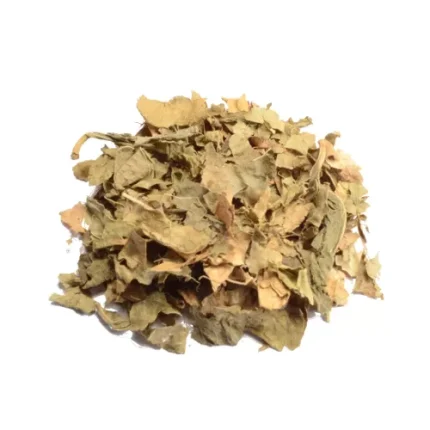
Bay bean 20 gram (Canavalia maritima)
Canavalia maritima (Laurel Bean) – 20g
Historically, the dried leaves of Canavalia maritima have been used as a relaxant in various ancient rituals. On the Gulf Coast of Mexico, these beans were traditionally consumed alongside other sacred herbs, highlighting their cultural significance.
Modes of Use:
A common traditional method involves preparing a tea from the leaves. To do this, dissolve 5 to 10 grams of dried leaves in hot water. For enhanced flavor and potential effects, it can be combined with other herbs such as tea leaves or chamomile.
Effects:
The experience is often described as pleasant, relaxing, and calming, with some users experiencing mild psychedelic sensations. Reports also mention potential aphrodisiac properties and feelings of euphoria, making it a notable herb in traditional practices.
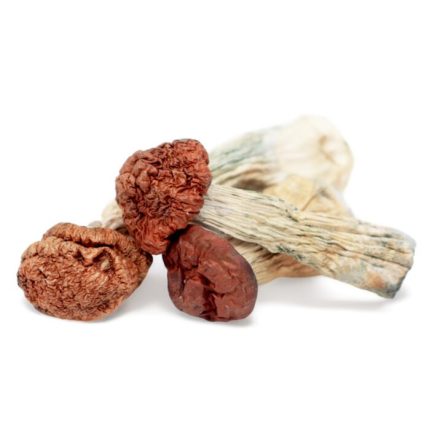
Blue Meanie Magic Mushrooms
Blue Meanies Magic Mushrooms are a potent strain of psilocybe cubensis. The name Blue Meanie is also used to describe a strain called Psilocybe Cyanescens (P. Cyans) which is known to be 2 times more potent than any other P. Cubensis strain. Our Blue Meanie Magic Mushrooms are of the P. Cubensis type and is not to be mistaken.
This shroom is known to be a prolific fruiter, often growing many flushes and easily bruising (blueing) at the point of physical contact. Expect above average intensity compared to other cubensis shrooms strains.
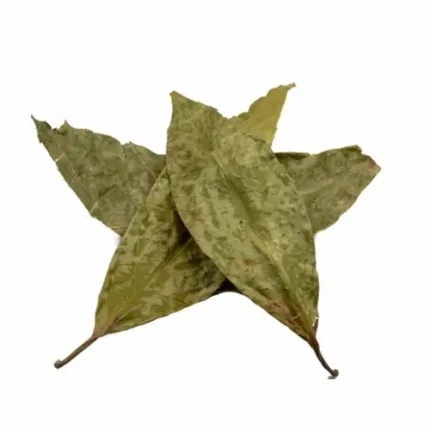


Golden Teacher Spore Syringe (20cc)
he origin of this magic mushroom strain is not known, thus the name Golden Teacher comes from the admirable golden color of the caps and his so-called teaching capacities.
The first mushroom flush will produce medium sized mushrooms. In later flushes they might grow very large. It is a very robust mushroom with big, massive stems.
The Golden Teacher spores are available in a 10ML spore syringe.
(These spore syringes are sold for microscopy and taxonomy use only. They are not intended for cultivation purposes.)
Strain Origin: Unknown
Cap: 50+ mm in diameter, convex to broadly convex to plane at maturity. Reddish cinnamon brown maturing to golden brown to light yellow. Surface dry with pronounced and persistent remnants of universal veil on cap (spots). Flesh white soon bruising bluish green.
Stem: 125+ mm in length, yellowish. Flesh bruising bluish green where injured. Persistent membranous annulus (ring) from partial veil that becomes dusted with purple brown spores at maturity.
Gills: Attachment adnate to adnexed. Grayish coloration in young fruit bodies becoming nearly black in maturity.
Spores: Dark purplish brown, subellipsoid on 4-spored basidia
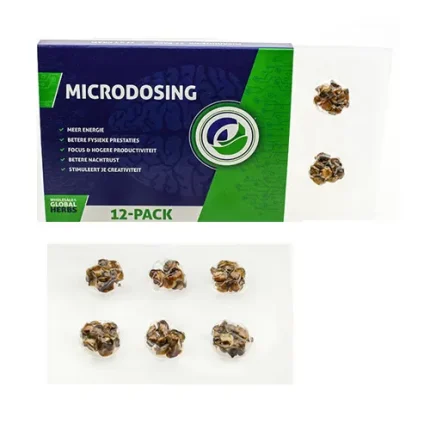
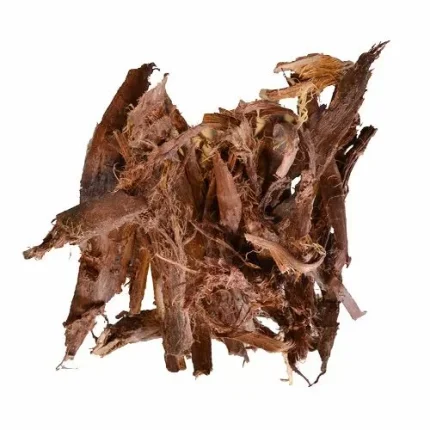
Mimosa hostilis – Inner root bark | Jurema Preta
Mimosa Hostilis Root Bark (MHRB) – Jurema Preta | Mimosa Tenuiflora
Sourced from the revered Mimosa hostilis tree—commonly known in Brazil as Jurema Preta, Black Jurema, or Vinho de Jurema—this inner root bark is treasured for its historical and cultural significance. Renowned among indigenous shamans, it is valued for its deep-rooted entheogenic legacy.
Sacred Origins & Medicinal Legacy
Native to the arid regions of northeastern Brazil, Mimosa hostilis (also known by its updated scientific name Mimosa tenuiflora) has been used for centuries in traditional medicine. The inner root bark—the most alkaloid-rich and potent part of the plant—is carefully harvested and prepared for a wide range of ethnobotanical and research uses.
Trusted by Tradition, Valued Worldwide
In the Western world, Mimosa hostilis root bark has gained popularity as a natural alternative to other revered plants such as Psychotria viridis and Chaliponga, especially in botanical and spiritual exploration communities. Its rich alkaloid profile and sustainable sourcing make it a respected botanical specimen around the globe.
Botanical Equivalence & Naming
While Mimosa hostilis remains a popular term, it is taxonomically identical to Mimosa tenuiflora—both names refer to the same plant species. In some regions, the bark is also known as Tepezcohuite, especially in Mexico, where it’s used in skin care and natural medicine for its soothing properties.
Our Commitment to Freshness & Quality
We import our Jurema Preta root bark directly from Brazil, ensuring it is sustainably sourced and harvested at peak potency. Fresh shipments arrive monthly, so you’re always receiving superior-quality root bark with maximum freshness and integrity.
Botanical Profile:
Family: Leguminosae / Mimosaceae
Genus: Mimosa
Species: hostilis, tenuiflora, verrucosa
Common Names: Jurema Preta, Jurema Branca, Caatinga Mimosa, Tepezcohuite, Calumbi, Carbonal, Cabrera, White Jurema, Black Jurema
Phytochemical Composition:
The inner root bark contains a wide spectrum of naturally occurring compounds, including:
Tannins, saponins, tryptamines, alkaloids, lipids, phytoindoles, xylose, phytosterols, glucosides, rhamnose, arabinose, methoxychalcones, lupeol, and kukulkanins.